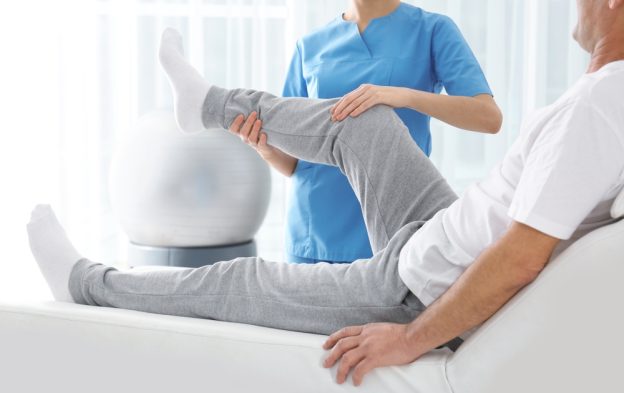
Musculoskeletal examination
Tone-Spasticity & Rigidity
Motor examination-ROM, Joint play & End feel, Muscle power, Reflexes, Limb length,
Muscle girth
Sensory examination-Superficial & deep sensation, Pain assessment-onset, location,
pattern, quality, rating, aggravating & relieving factors, type of pain
6 Respiratory-chest expansion
7 Higher function-Level of consciousness, m****l status, communication
8 Functional assessment
9 Special test
B. FRACTURE AND DISLOCATION
1. Define fracture. Review the types, signs and symptoms, principles of immobilization and
healing of fracture.
2. Describe the PT assessment of a patient with a fracture during the immobilization
And post immobilization period.
3. List the aims of PT management in a patient with a fracture.
4. Describe the methods of mobilization of a patient after healing of a fracture.
5. Review the mechanism of injury, clinical features, treatment and complications and
describe the PT management and home programme for the following injuries:
6. Fracture clavicle, upper 1/3 rd of humerus
7. Fracture head of radius, olecranon process, shaft of radius and ulna, colles
8. Fracture scaphoid, bennets and potts fracture, dupuytrens contracture, calcaneum
and metatarsal- march
9. Spinal fracture
10. Dislocation of
a. hip(congenital), traumatic posterior and central
b. Shoulder (anterior and recurrent)
c. Patella
11. Joint replacement ܓ Knee and Hip ( Total and partial )
C. REGIONAL CONDITIONS
PT assessment, problems, means, conservative and surgical management, rehabilitation for the
following conditions
1. Cervical and lumbar spondylosis
2. Spondylolisthesis
3. TB spine
4. Postural deformities of spine ܓ kyphosis, lordosis, scoliosis.
5. Ankylosing spondylitis
6. Intervertebral disc prolapse
7. Periarthritis shoulder
8. Amputation
9. Poliomyelitis
10. Osteoarthritis
11. Rheumatoid arthritis
12. Leprosy
13. Cerebral palsy
14. Burns
15. Soft tissue injury ܓ
Strain
Sprain ܓ knee and ankle ligament
injury Bursitis ܓ subacromial and
prepatellar Synovitis
Tendonitis
Tenosynovitis
Fibrositis
Rupture of tendons ܓ Quadriceps and tendoachilles Tennis elbow
Torticollis
Suraspinatus and biceps tendonitis.